
C hild Juvenile Law
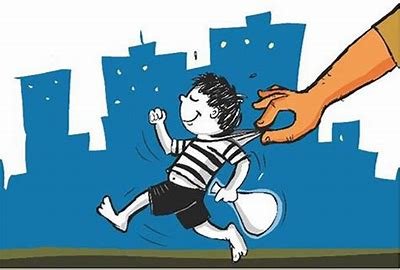
Child Juvenile Law
Child juvenile law, also sometimes referred to as juvenile justice, is a legal area focused on protecting the welfare of children and addressing situations where minors come into conflict with the law. Here’s a breakdown of some key aspects:
Definition of a Juvenile: The specific age that defines a juvenile can vary by location and legal context. In many places, it’s 18, but it could be 16 or 17 in some cases.
Core Principles:
- Best Interests of the Child: Decisions about a child’s welfare should prioritize their safety, well-being, and development.
- Rehabilitation over Punishment: The justice system for juveniles aims to rehabilitate them and help them become productive members of society, rather than solely focusing on punishment.
Two Main Categories of Cases:
- Children in Need of Care and Protection (CHILINCAP): This refers to situations where a child may be neglected, abused, abandoned, or orphaned. The court may intervene to ensure the child’s safety and well-being.
- Children in Conflict with the Law: This involves minors who have committed crimes or offenses. The juvenile justice system provides a separate process from adult criminal courts, with a focus on rehabilitation and restorative justice.
Juvenile Justice Process: The specifics may vary by location, but here’s a general outline:
- Intake and Investigation: Authorities investigate the situation and gather information.
- Diversion: Informal methods to address the issue outside of the formal court system may be attempted.
- Adjudication: A juvenile court judge hears the case and determines if the child committed the offense.
- Disposition: If the child is found delinquent (committed the offense), the court issues orders that may include:
- Probation
- Counseling or rehabilitation programs
- Community service
- Secure detention in a juvenile facility (in serious cases)
Additional Considerations:
- Special Protections: Juveniles have certain legal rights during the justice process, such as the right to an attorney and confidentiality.
- Record Sealing or Expungement: Juvenile records may be sealed or expunged after a certain period, allowing a young person a chance for a fresh start.