
W ild Life Law
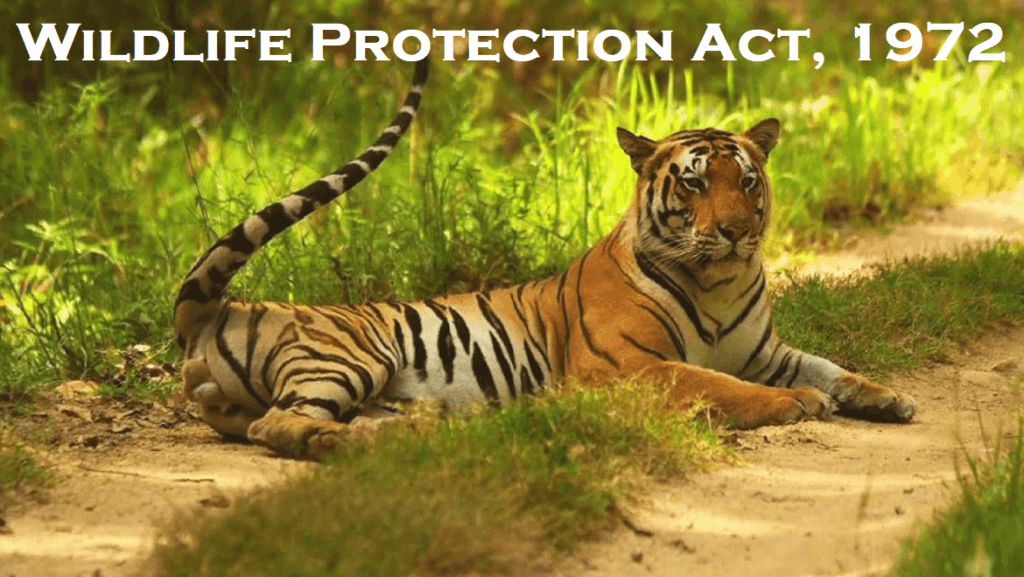
Wild Life Law
Wildlife law refers to the legal framework established to protect wild animals and plants, and their habitats. It’s a crucial area to ensure the conservation of biodiversity and the health of our ecosystems. Here’s a closer look:
Main Goals:
- Species Protection: Aims to prevent endangerment and extinction of wildlife species.
- Habitat Conservation: Protects natural habitats that are critical for wildlife survival.
- Regulation of Activities: Controls activities that might harm wildlife, such as hunting, fishing, and development.
- Sustainable Management: Promotes practices that allow for human use of wildlife resources while ensuring long-term population health.
Common Laws and Regulations:
- Endangered Species Act (ESA): A prominent example in the United States, it classifies species as endangered or threatened and outlines protections for their recovery. [You can find more information about the Endangered Species Act at
- Migratory Bird Treaty Act (MBTA): Protects migratory bird species across North America. [You can find more information about the Migratory Bird
- National Wildlife Refuge System: A network of protected areas managed by the U.S. Fish and Wildlife Service to conserve wildlife and habitat.
International Wildlife Law:
- Convention on International Trade in Endangered Species of Wild Fauna and Flora (CITES): Regulates the international trade of certain wildlife species to prevent exploitation. [You can find more information about CITES at
Enforcement:
- Government agencies like wildlife departments and park rangers enforce wildlife laws.
- Penalties for violations can range from fines to imprisonment depending on the severity of the offense.
Importance of Wildlife Law:
- Protects biodiversity and ecosystems.
- Maintains healthy animal populations for future generations.
- Supports sustainable use of wildlife resources.
- Contributes to the economic well-being of communities that rely on healthy ecosystems for tourism, recreation, and fisheries.
Getting Involved:
- You can support wildlife conservation by:
- Educating yourself and others about wildlife issues.
- Volunteering with wildlife organizations.
- Supporting legislation that protects wildlife.
- Making responsible choices as a consumer, such as avoiding products made from endangered species.
Wildlife law plays a vital role in safeguarding our natural world. By understanding its principles and getting involved in conservation efforts, we can contribute to a healthier planet for wildlife and ourselves.